The short answer
For most visitors, mid-November through April is the best window: highs in the high 70s to mid 80s °F, almost no rain, and humpback whales in the water from mid-December. Within that window, avoid mid to late March if you want a calm beach, because spring break fills Médano and the marina bars.
May and June are hot and dry with warmer water and fewer people. July to October is the hottest and most humid stretch and overlaps the peak of hurricane season, which is why it is also the quietest and usually the easiest time to book.
Winter: December to February
This is peak season. Average highs are around 79 to 81°F (26 to 27°C) with nights in the mid 50s°F (12 to 14°C), cool enough that you'll want a light layer after dark. Rain is rare. The sea is at its coolest, roughly 72 to 77°F (22 to 25°C), still swimmable on Médano but brisk first thing in the morning.
Christmas, New Year and US holiday weekends are the busiest and most expensive weeks of the year, so book early for those dates.
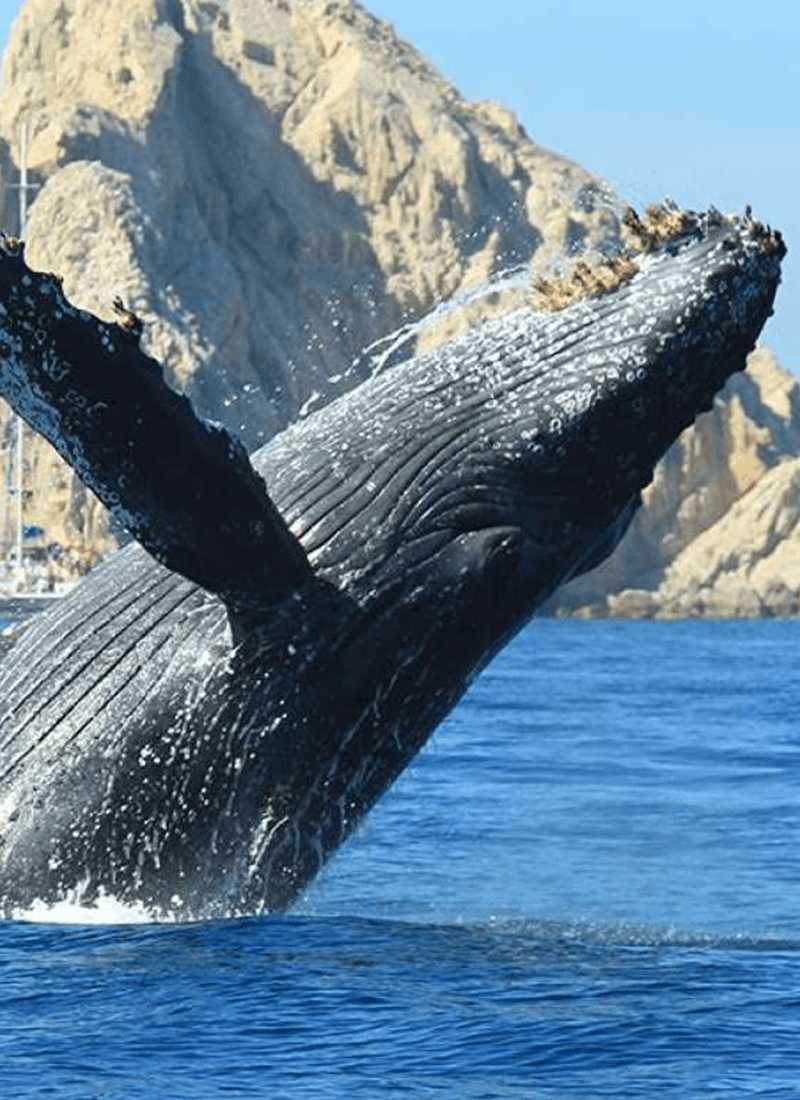
Whale season: mid-December to mid-April
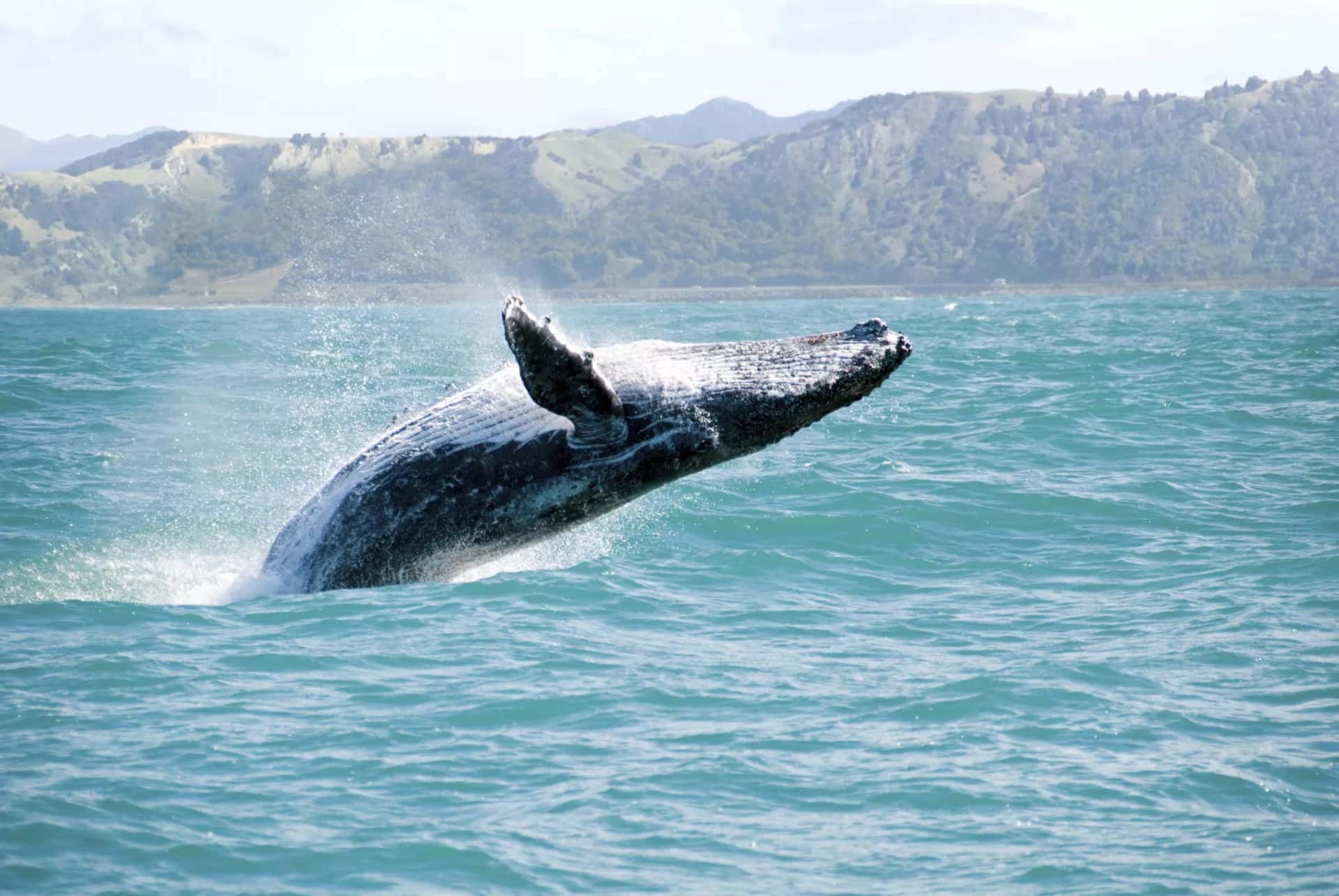
Mexico's environment ministry (SEMARNAT) sets the official whale-watching season, under the NOM-131 regulation; its notice for the 2025 to 2026 season ran from December 15 to April 30 in Los Cabos (each season's dates are published in the Diario Oficial). Humpbacks are the most common, and gray whales pass through as well. January and February are the months operators most often cite for mother-and-calf sightings.
You can often see spouts from the beach at Médano, but the boats that leave from the marina get you close within the legal distances.
Spring break: March
College spring break runs through March and peaks in mid to late March, with some groups arriving in late February and early April. Local authorities expected 50,000 to 70,000 spring breakers in 2026, concentrated in a few hotels, downtown bars and Médano Beach, especially the stretch nearest the marina.
If school holidays tie you to March, the first week is noticeably quieter. The weather in March is ideal: dry, highs around 82°F (28°C), and whales still around.
Late spring and early summer: April to June
This is the driest part of the year, with essentially no rain from April to June. Days get steadily hotter, reaching about 89 to 90°F (32°C) in May and June, while nights stay comfortable. Crowds drop after Easter, and the sea starts to warm again after its spring low.
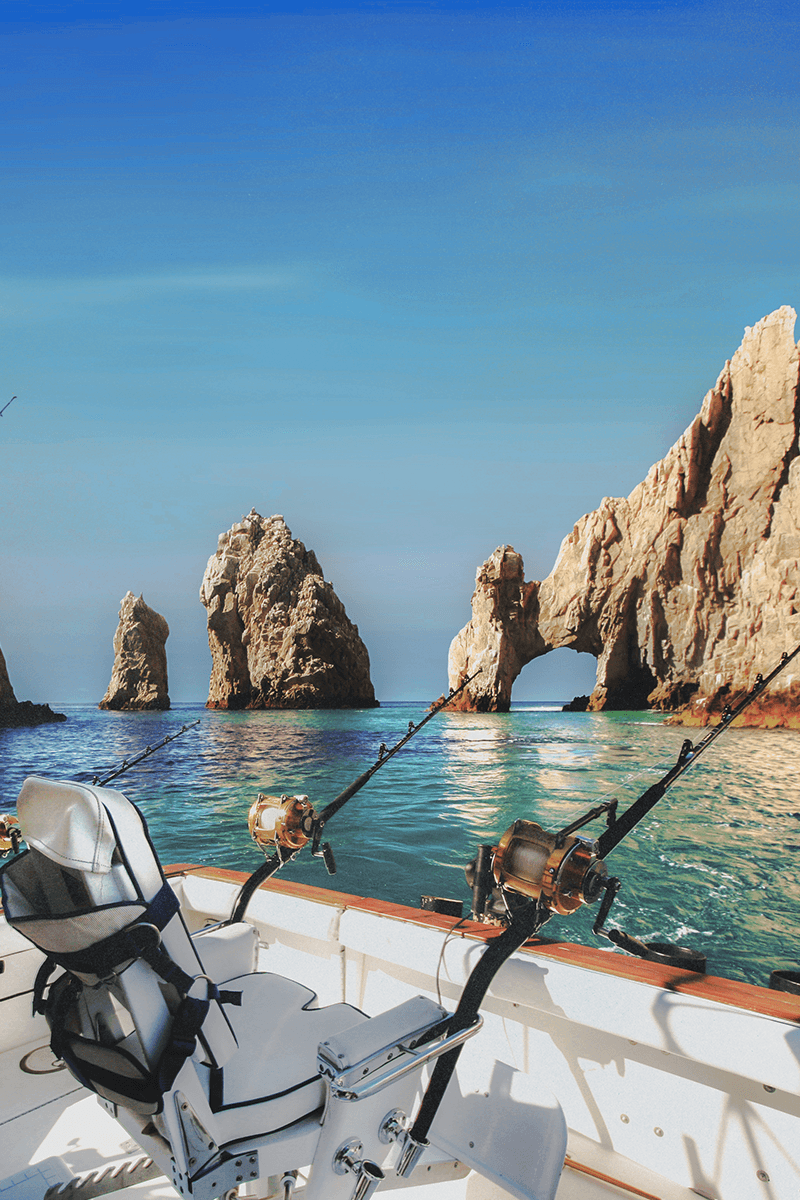
Good for fishing, early tee times and long beach days, as long as you plan shade around midday.
Summer and hurricane season: June to November
The eastern Pacific hurricane season runs from mid-May, but for Baja California Sur the risk is from June to November, with the highest probability from August to October and September historically the most active month. Most storms pass offshore, but direct hits happen: Hurricane Odile made landfall near Cabo San Lucas as a Category 3 on September 14, 2014.
July to September is also the hottest and most humid period, with highs in the low to mid 90s°F (34 to 35°C) and most of the year's rain falling in short, heavy bursts. The sea is at its warmest, around 84°F (29°C). If you travel then, buy travel insurance and keep your dates flexible.
Autumn: October and November
October is still hot, and early October remains within the peak hurricane window. By November, highs fall to about 86°F (30°C), humidity eases, rain is rare and the water is still warm from summer, around 80°F (27°C). Crowds build again from mid-November.
For many repeat visitors, the second half of November is the best-value time for a Médano stay: warm sea, dry weather and prices that have not yet hit holiday levels.