When is turtle season?
In Los Cabos, nesting runs from roughly June or July through December, and hatchlings emerge about 45 to 60 days after the eggs are laid. Hotel programs report the most activity from August through October, and public releases generally run from September into December. Olive ridley is by far the most common species on these beaches; leatherbacks and green (black) turtles nest in much smaller numbers.
Up the Pacific coast in Todos Santos the calendar is different: the volunteer group Tortugueros Las Playitas focuses on endangered Pacific leatherbacks and has held sunset releases through the winter, with visitor reviews describing releases in January and February 2026. If you are here in winter rather than autumn, that is the place to ask.
Legitimate programs to look for
Releases should be run by a camp or resort working under a SEMARNAT permit. ASUPMATOMA, a Los Cabos non-profit founded in 1995, marked 30 years in 2025 and says it protects around 1,000 nests a season. It invites the public to releases from September to December by reservation (email asupmatoma@hotmail.com or call +52 624 143 0269) and is clear that no release date can be guaranteed. Its original camp at Rancho San Cristóbal was the subject of a land-access dispute in 2018, so confirm where the release will take place when you book.
Several resorts along the Corridor, including Hilton Los Cabos, run their own certified nest-protection programs, mainly for hotel guests. Among tour operators, Cabo Trek sells a small-group turtle release (maximum eight people) from September 1 to December 15, 4 to 7 p.m., priced at USD 99 for adults and USD 69 for children, with transport from its office near the marina. Tortugueros Las Playitas in Todos Santos asks only for a donation and posts each day's release on its Facebook page; it can be combined with a Todos Santos day trip.
The rules for watching a release
Mexico's sea turtle standard, NOM-162-SEMARNAT-2012, sets the basics, and good programs will brief you before the hatchlings are set down. Visitors stay behind the hatchlings, at least two meters back, so nothing blocks their path to the water. Hatchlings are not handled by visitors, and no flash or white light is used; guides use a dim red light after sunset.
Be wary of any operator that lets you pick up hatchlings, releases them in full midday sun, poses them for photos or keeps them in buckets for hours. The crawl down the sand matters, and the turtles should reach the sea on their own.
- Stay behind the line the guides mark
- No touching or picking up hatchlings
- No flash photography, flashlights or phone lights
- Don't step where a hatchling could be
- Report any turtle or nest you find on the beach to your hotel or a camp; don't dig
Seeing it from Villa 1
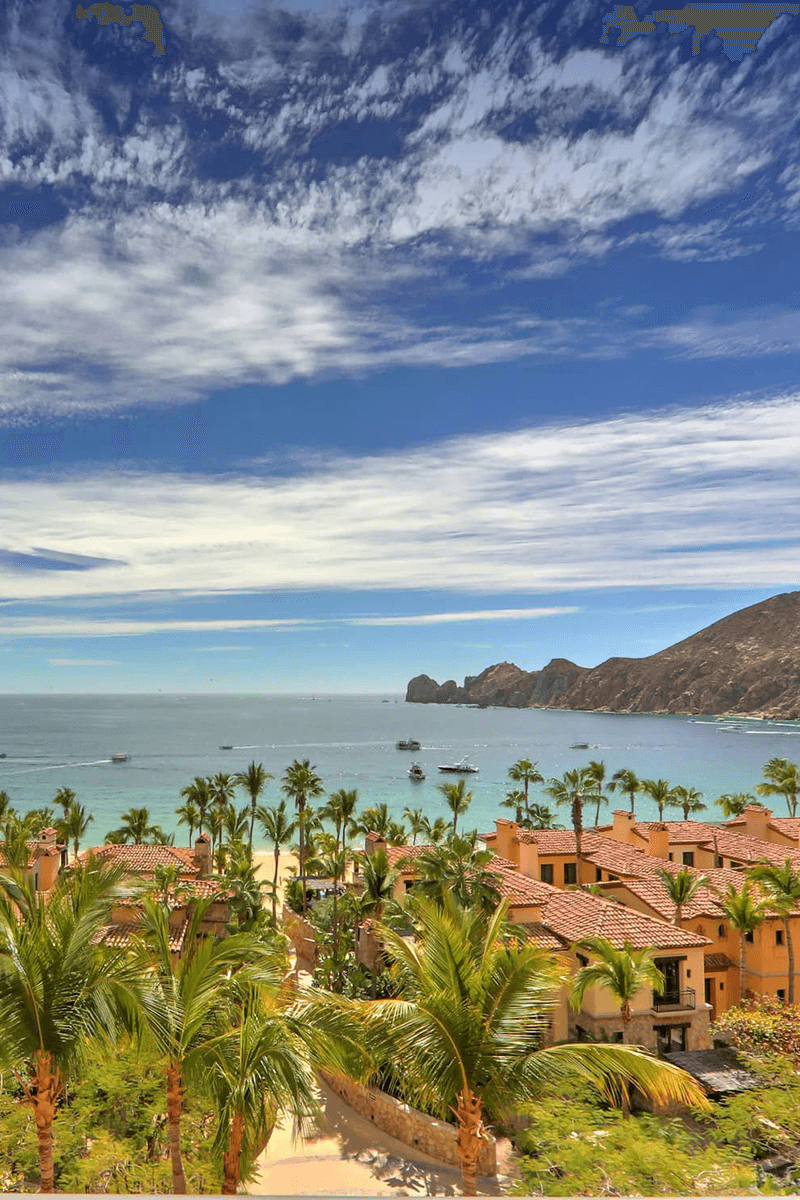
Médano Beach in front of the villa is a busy, lit swimming beach, so plan to go to a release rather than expect one on the doorstep. Most Los Cabos releases take place on quieter Pacific or Corridor beaches 20 to 40 minutes away by car, starting in the late afternoon. Our 24/7 concierge can help check which programs have releases scheduled during your stay and arrange transport.
Releases are a natural event: a nest may hatch a day late, or a whole evening may produce nothing. Keep a backup evening free, bring a light jacket and bug spray, and consider leaving a donation, which directly pays for patrols and hatchery staff. Families with younger children can find more ideas in our Cabo with kids guide.