Why Cabo Pulmo is worth the drive
The park was decreed on 5 June 1995 and covers about 71 square kilometers of sea and coast. Its reef is estimated at around 20,000 years old, made up of rocky fingers of basalt covered in hard coral. By 2010, researchers reported that total fish abundance inside the park had risen by more than 460 percent after the no-fishing rules took hold. In 2005 it became part of the Gulf of California UNESCO World Heritage site.
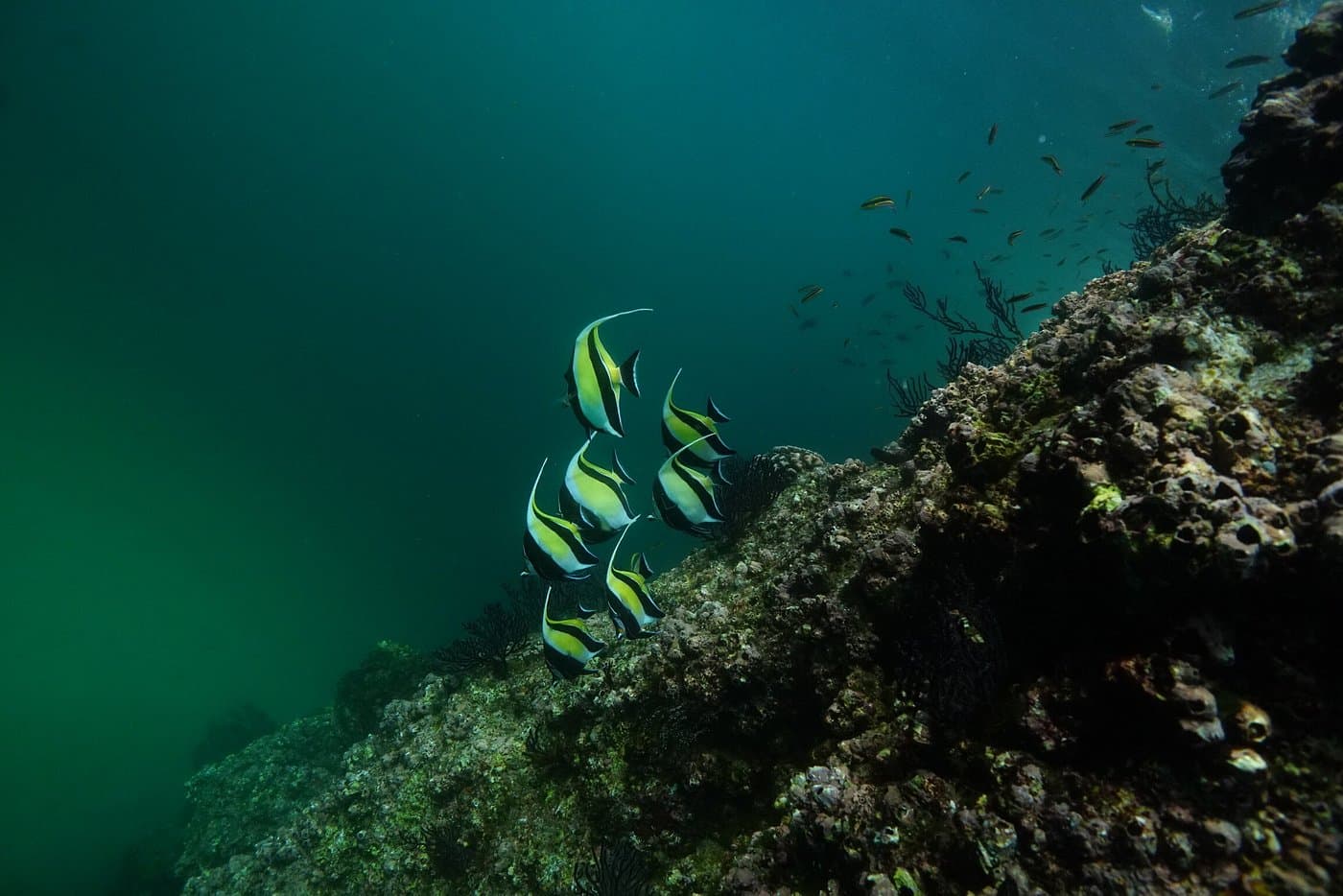
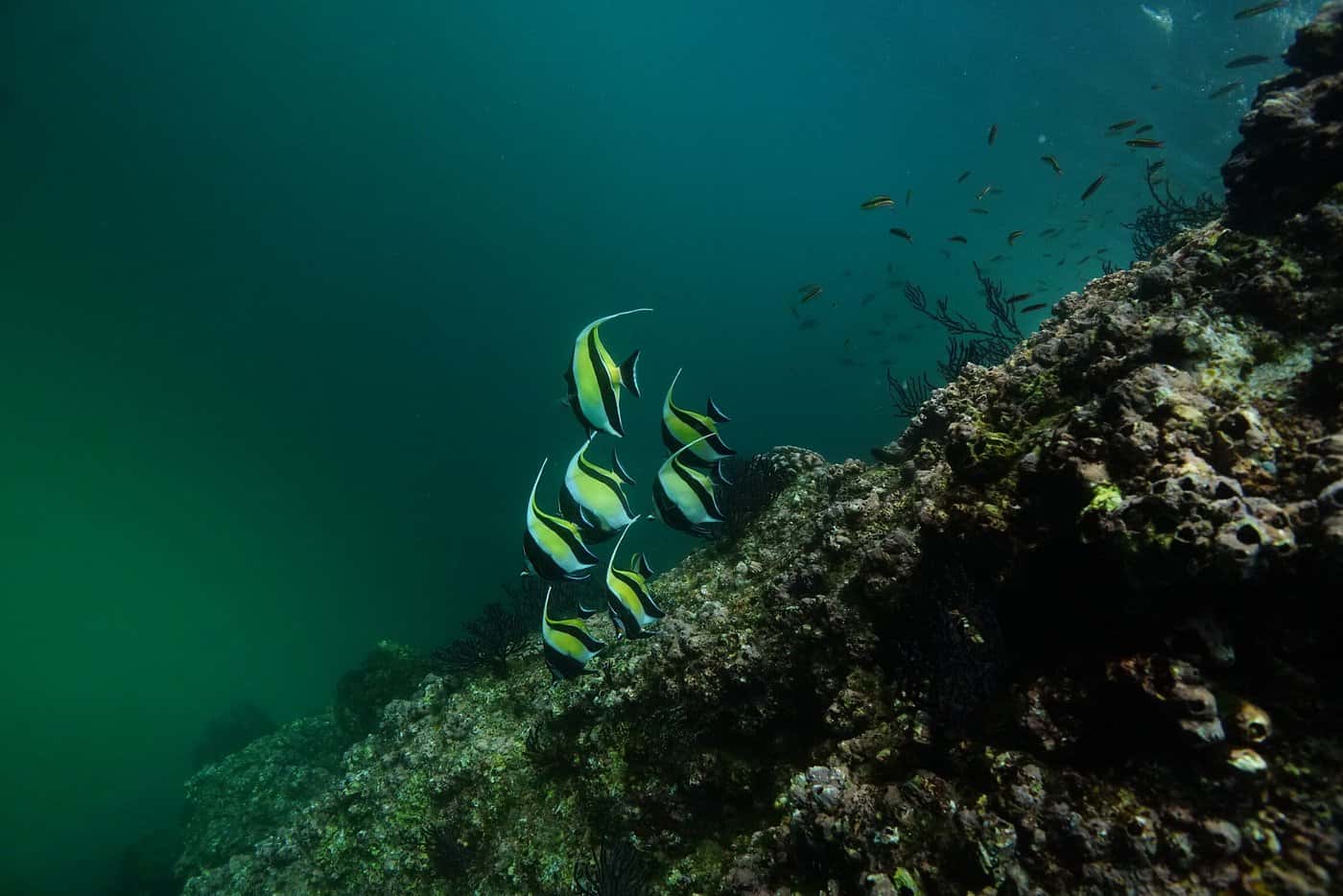
What you actually see depends on the day and the season: big schools of jacks, reef fish around the coral heads, rays, turtles, and a sea lion colony at Los Morros/La Lobera that many snorkel boats visit. This is a very different trip from the rocky snorkeling at Santa María and Chileno bays closer to Cabo, and far quieter than anything around Land's End.
Getting there from Médano Beach
Take Highway 1 through San José del Cabo and north toward Las Cuevas, then turn east on the road to La Ribera and follow the coast south to Cabo Pulmo. The last stretch, about 10 km, is graded dirt; a regular car can manage it when it is dry, but slow down for washboard, blind curves and topes (speed bumps). Fill up in La Ribera, which is the last gas station, and expect little or no mobile signal on the dirt section.
Allow about two hours each way from Cabo San Lucas, more if you stop. Do not drive this road at night, when cattle and wildlife wander onto it, and avoid it for a day or two after heavy rain in the July to October storm season, when washes can flood. The coastal East Cape road that runs north from San José del Cabo is shorter on the map but long sections are unpaved and rough, so most people use the highway route.
If you'd rather not drive, several companies run full-day tours from Los Cabos with hotel pick-up; our concierge can arrange one, or a private driver, from Villa 1.
- Route: Hwy 1 north → Las Cuevas → La Ribera → Cabo Pulmo
- Last ~10 km unpaved; 4WD not normally needed in dry weather
- Last fuel: La Ribera
- Drive only in daylight
Park fees and rules
Cabo Pulmo is managed by CONANP, Mexico's protected-areas agency. Anyone snorkeling, diving, kayaking or taking a boat tour pays a daily conservation fee and wears a wristband as proof. CONANP's park page lists MXN 125 per person per day, and operators quote about MXN 120 or US$10; the amount is set each year under Mexico's Federal Rights Law, so bring pesos. Children under 12, seniors, retirees and people with disabilities are exempt.
CONANP asks visitors to use authorized tour providers in the water, follow park staff instructions and respect the zoning signs. Don't touch or stand on coral, don't feed fish, and use mineral sunscreen or a rash guard. The park office lists hours of 8 a.m. to 6 p.m.
Snorkel and dive operators
In the village, local outfits run boat snorkel trips of a few hours plus scuba dives on the reef and to deeper sites. Cabo Pulmo Beach Resort lists a boat snorkel tour at MXN 1,600 per person, plus the park fee, visiting Mermaid Beach, the sea lion colony and Las Navajas reef. Costa Coral lists snorkel tours from about MXN 2,000 (US$100), including gear and a guide, with sites such as Los Morros, El Islote and La Lobera.
From Cabo San Lucas, Cabo Adventures runs an eight-hour Cabo Pulmo snorkel expedition with transport, snorkel gear and lunch at a local restaurant. The minimum age is 10, and the park fee is paid separately. Prices vary by season and group size, so confirm the current rate and what's included when you book.
Best season and what to bring
Diving and snorkeling run all year. Water is warmest from late summer into autumn, which is when day tours are most popular; in winter it's cooler, and tours supply wetsuits. Repeat visitors often recommend November for the big schools of jacks. The main risk to a trip is weather: strong winter northerlies can cancel boats, and summer storms can close the dirt road.
There are only a few small restaurants and shops in the village, and cash is the safest way to pay. Pack swimwear, a towel, a change of clothes, mineral sunscreen, a hat, water, and pesos for the park fee and tips. A light jacket helps on the boat ride back in winter.