Santa María or Chileno?
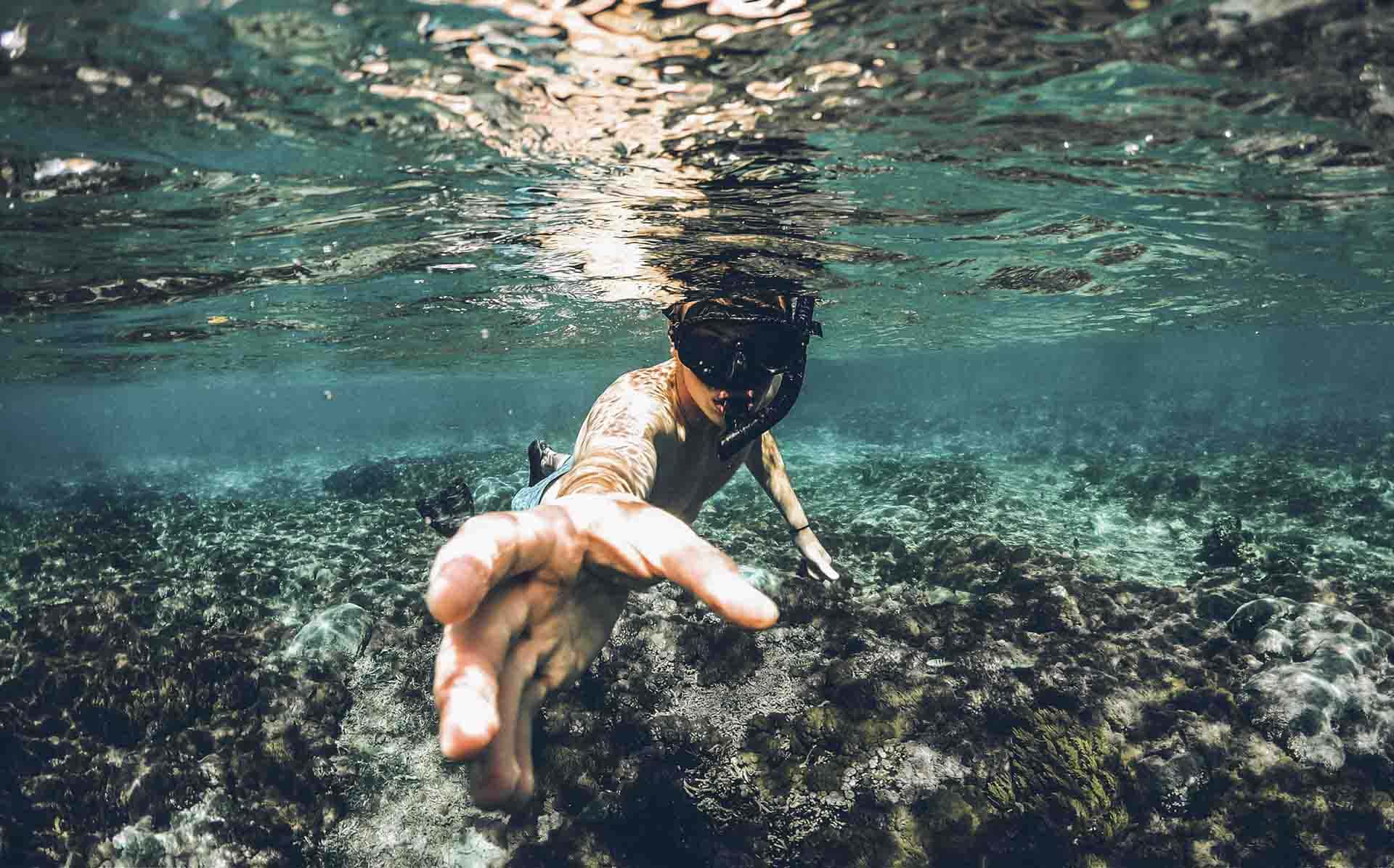
Santa María Bay is a horseshoe framed by cliffs, and the densest fish life sits along the rock walls at either end; the right-hand side (as you face the water) is the usual favorite. The sand is coarse and the beach shelves steeply, so you are in deep water within a few steps. There are no public palapas, just a few umbrella and chair rentals.
Chileno Bay is wider, with softer sand and a gradual entry that suits children and less confident swimmers. Fish gather around the rocks at either end, and there are tide pools at the eastern end. A paved, wheelchair-friendly boardwalk leads from the parking lot to the beach, and free palapas go early. Both beaches fly the Blue Flag for water quality and safety standards.
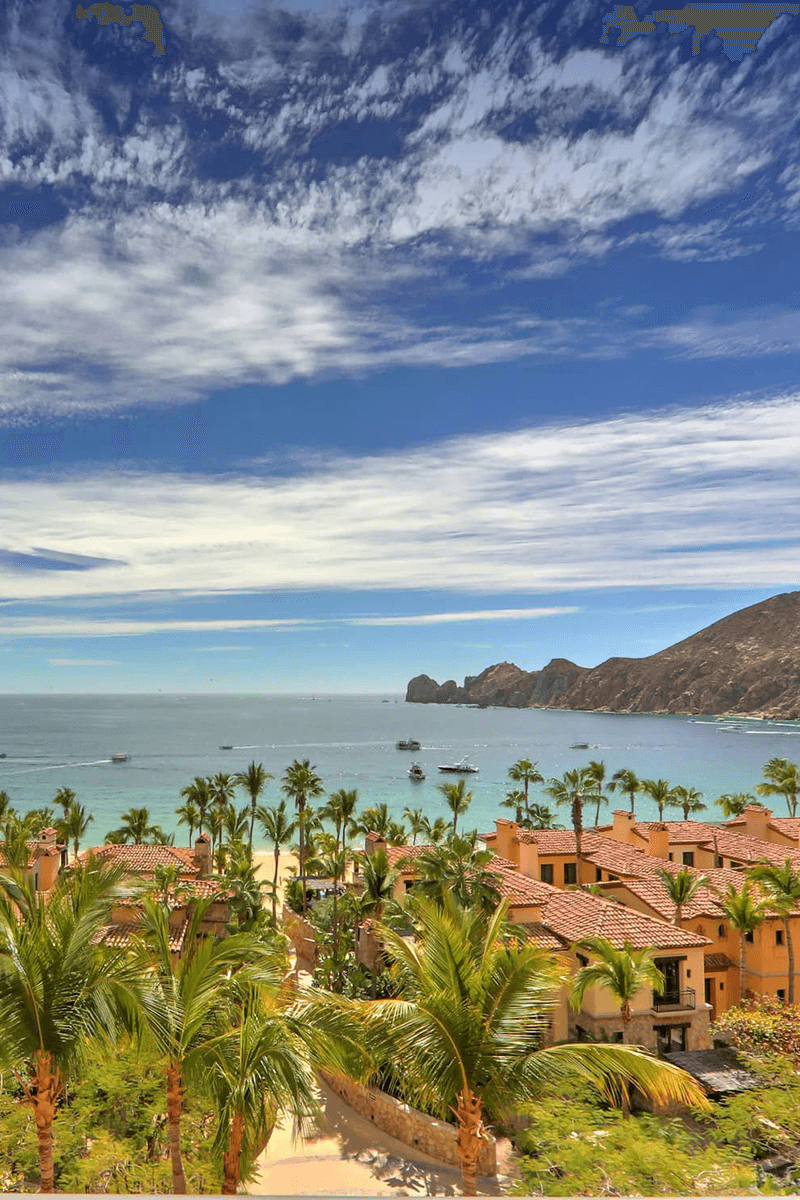
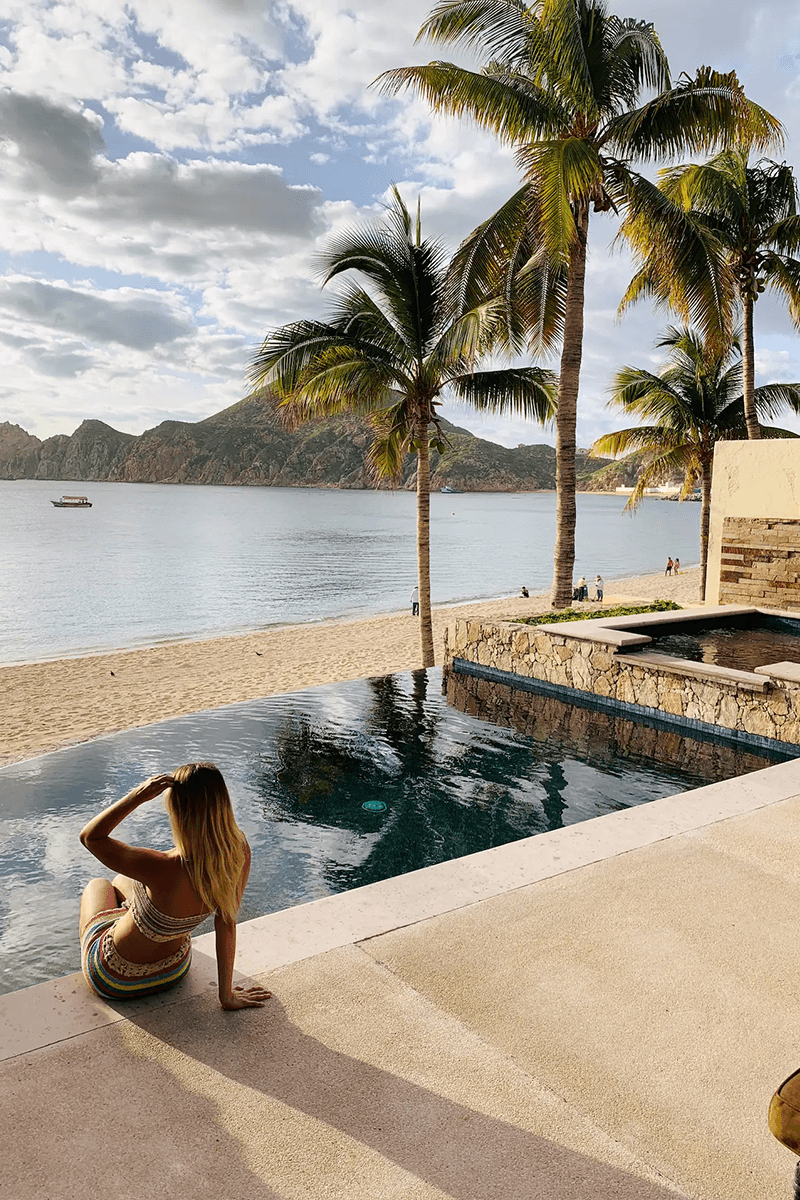
Both are good choices if you want calm water. Médano Beach in front of the villa is calm too, but it has sand and boats rather than reef; see our guide to swimmable beaches for the full list.
Access, parking and facilities
Both are public beaches with no entrance fee or wristband. Santa María's turnoff is at about Km 13 on Highway 1, the corridor highway; Chileno's entrance is a few minutes further east, toward San José del Cabo. Each has a free lot, and both fill up by mid-morning in high season. Arriving before 9 or 10 a.m. usually gets you a space.
Each beach has restrooms and outdoor showers, and lifeguards are posted. Neither has a restaurant or reliable food vendor, and Santa María has no snorkel-gear rental. Bring your own mask and fins, plus a cooler with water and snacks.
- Entry: free, public beaches
- Parking: free lots off Highway 1; arrive early
- Facilities: restrooms, showers, lifeguards
- No food service; no gear rental at Santa María
Snorkel tour or do it yourself?
Going on your own gives you the bays at their quietest. Tour boats from the Cabo San Lucas marina start arriving around 10 to 10:30 a.m., and by then the lots are fuller too. With a rental car from the villa, or a taxi you arrange to meet later, you can be in the water by 8 a.m. and back at the pool by lunch. See our getting around guide for options.
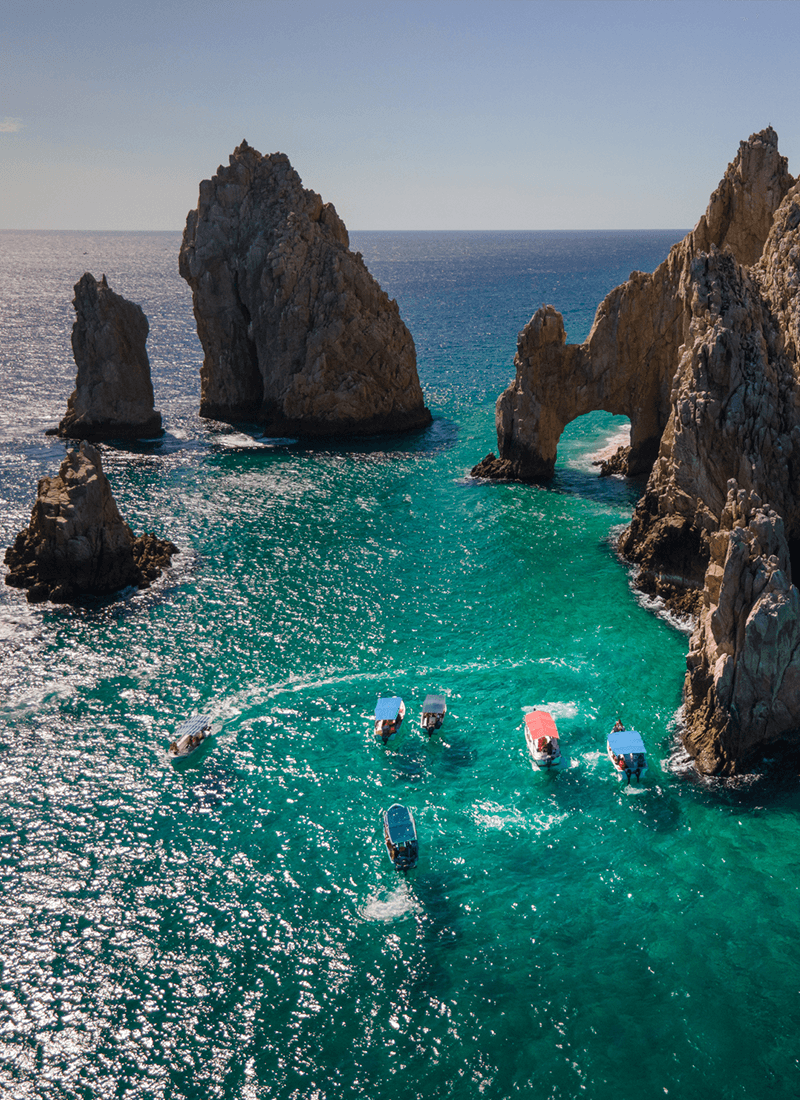
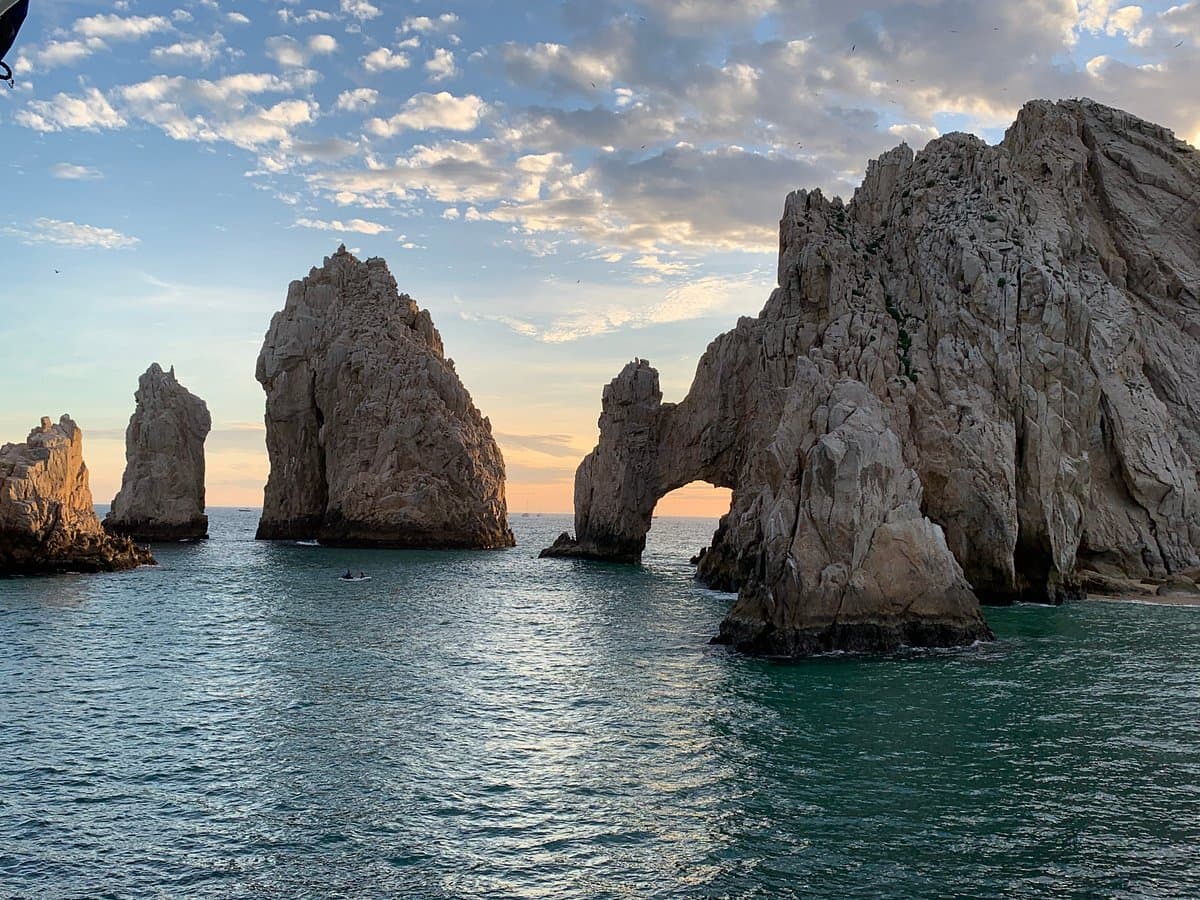
A snorkel cruise makes more sense if you want gear, a guide and drinks included, a sail past El Arco on the way, or you're traveling with less-confident swimmers who prefer a boat and a guide nearby. Many sailing and catamaran trips from the marina stop at one of these two bays, and our concierge can book one.
Best time to go and what to bring
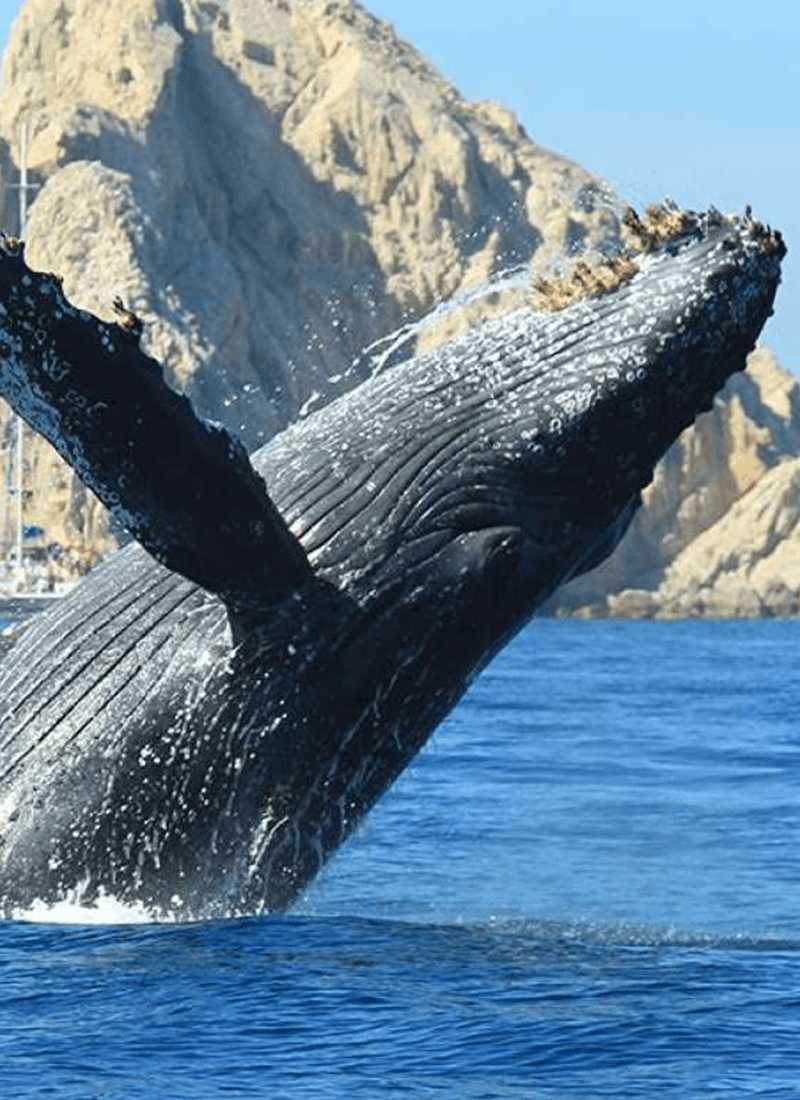
The water is usually glassy from about 7 to 11 a.m.; wind tends to pick up around 1 p.m. and reduces visibility. Summer and autumn bring the warmest water, with October often cited as a sweet spot. From December to April the water is cooler, but humpback whales pass offshore.
Bring water shoes (Santa María's sand is coarse), a rash guard and mineral sunscreen, your own snorkel gear, shade, and plenty of water. Don't stand on or touch the coral, don't feed the fish, and take your rubbish home.