Pesos or dollars?
Mexico's currency is the peso (MXN). In Cabo, many restaurants, tour operators and shops also quote or accept US dollars, but when you pay in dollars the business sets its own exchange rate, which is almost always worse than what your bank or an ATM gives you. Change is usually returned in pesos anyway.
Rather than quote a rate that will be out of date by the time you read this, the practical rule is simple: check the current rate in your banking app before you travel, then pay in pesos wherever you can. If a menu shows both currencies, do the math once and you will see the gap. Canadian dollars are rarely accepted directly; Canadians should plan on pesos and cards.
Mexico limits how many US dollars foreign visitors can exchange at banks and exchange houses, and the Government of Canada notes that some institutions apply that limit loosely. Bring a modest amount of cash for the first day and use ATMs for the rest.
ATMs: which to use and what to decline
Use ATMs belonging to Mexican banks, preferably inside a bank branch, a supermarket or a mall rather than a standalone machine on the street. Independent machines in tourist areas, including Euronet-branded ones, tend to charge higher fees and push conversion offers. Every ATM shows its access fee on screen before you confirm, and fees vary by bank and even by location, so if one looks high, cancel and try another.
The most important step comes when the ATM offers to convert the withdrawal into your home currency at a "guaranteed" rate. Decline it and choose to be charged in pesos; your own bank's conversion is almost always cheaper. The same applies at card terminals in restaurants and shops.
- Withdraw larger amounts less often to limit per-transaction fees.
- Cover the keypad, and never accept help from strangers at an ATM; Los Cabos authorities have warned about pairs who watch PINs and swap cards.
- Use a card with no foreign transaction fees and tell your bank you are traveling.
- Check that you have your card back before walking away.
Cards and cash
Credit cards are accepted at supermarkets, most restaurants, resort outlets, larger tour companies and gas stations. Keep cash in pesos for taxis, the Ruta del Desierto bus, beach vendors, taco stands, small shops and tips. When a server brings a portable terminal, it may suggest a tip percentage; you can choose a different amount or leave the tip in cash.
A practical routine is to withdraw pesos from a bank ATM on your first day, break a couple of large notes at the supermarket, and keep a separate stash of 20, 50 and 100 peso notes just for tips. Small denominations are what taxi drivers, baggers, valets and beach vendors can actually change, and having them ready saves the awkward moment of overpaying in dollars because nothing else is in your wallet.
Reading the bill: IVA, service and hotel tax
Mexico's value added tax, IVA, is 16%. On most restaurant menus it is already included in the prices, but some tourist restaurants add it at the bottom. IVA goes to the government; it is not a tip.
Before you tip, look for a line reading propina, servicio, servicio incluido or cargo por servicio. If it is there, the tip is already on the bill, and you should only add extra for exceptional service. Under Mexican consumer rules a tip is voluntary, so if a service charge was added and the service was poor, you can ask for it to be removed.
Accommodation in Baja California Sur carries a 4% state lodging tax on top of IVA, and Los Cabos also applies a municipal environmental sanitation charge to lodging. These appear on accommodation invoices, not restaurant bills. Separately, the state's Embrace It visitor fee is paid online per person, not at your hotel; our travel requirements guide explains it.
Tipping guide for Cabo
Mexico-wide, 10% to 15% is the traditional restaurant tip. In Cabo's tourist restaurants 15% is the norm for good service and 20% for excellent service. Tip in pesos when you can: staff lose money changing dollars, and damaged bills or coins cannot be exchanged at all.
- Restaurants and bars: 15% for good service, 20% for excellent; check first whether service is included.
- Taxis: not expected; round up the fare, or tip more if the driver helps with luggage.
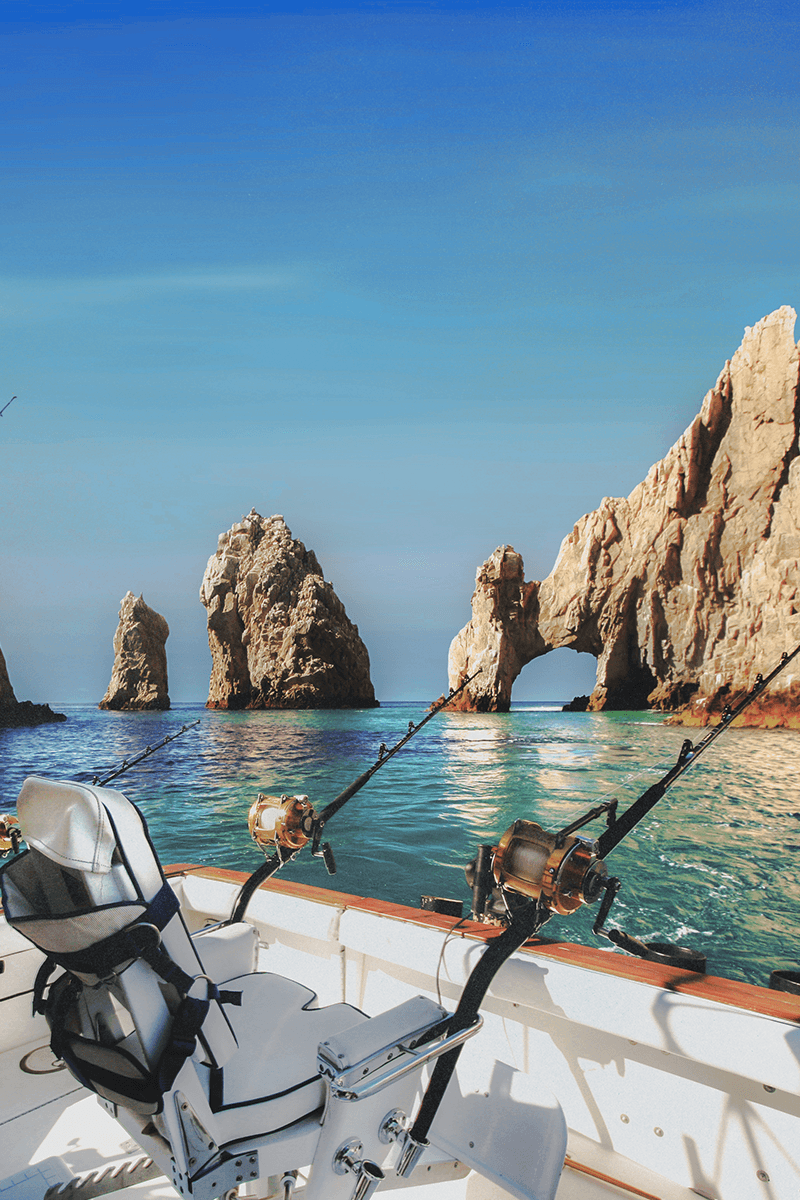
- Fishing charters and private boats: 15% to 20% of the charter price, handed to the captain to share with the crew.
- Tour guides and snorkel crews: roughly 10% to 20% of the tour price, depending on the size of the group and the service.
- Housekeeping: about 100 pesos (around US$5) per day, left daily rather than as a lump sum at the end.
- Private chef: ask whether gratuity is built into the quote; if not, 10% to 20% of the service fee is common.
- Spa: resort spas often add a service charge automatically; check the bill, and if none is added, 15% to 20% is usual.
- Grocery baggers: 10 to 20 pesos; they typically work for tips alone.
- Gas station attendants: 5 to 10 pesos, a little more for cleaning the windshield.
- Airport transfer drivers: about US$10 to US$20 per group.
Tipping at the villa and on Médano
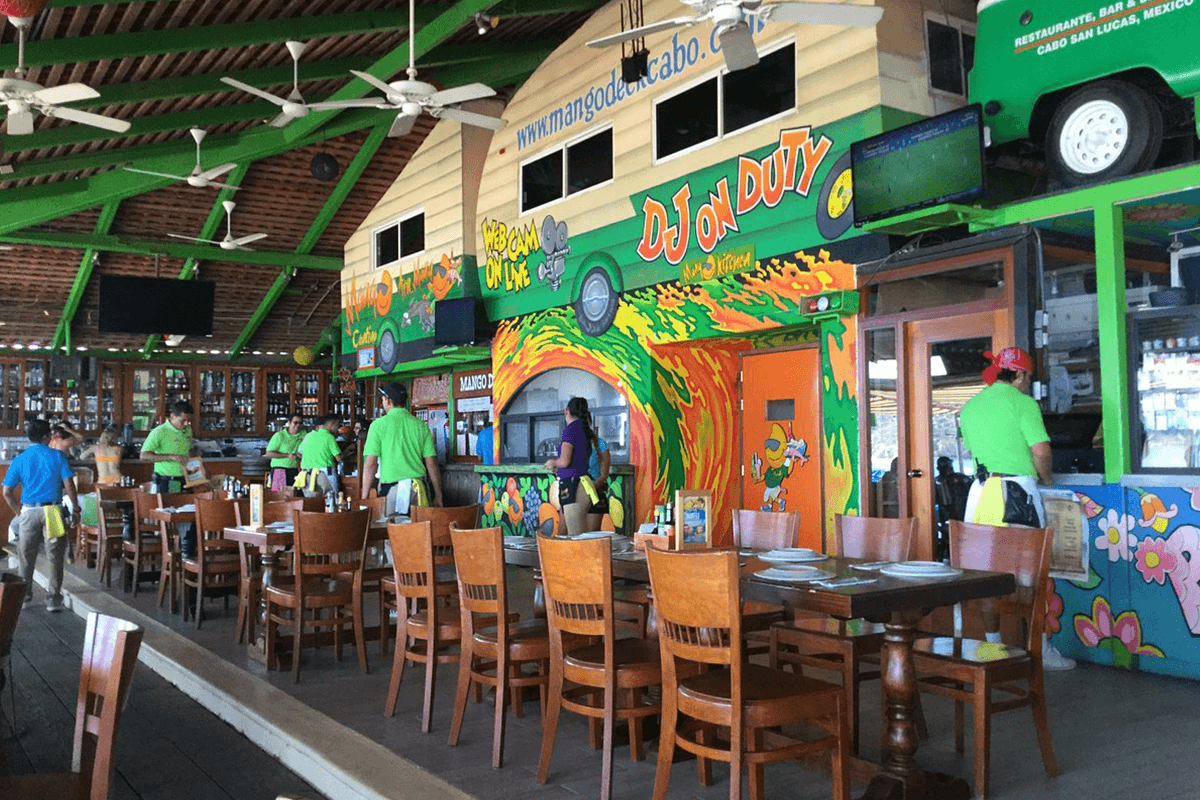
Villa 1 includes daily housekeeping, so the daily housekeeping tip above applies. If you book a private chef or a sportfishing charter through the concierge, ask when you book whether gratuity is included so you do not tip twice. On the beach, vendors and beach club servers at places like Mango Deck work largely on tips; small peso notes make that easy.
Budgeting a group trip
Knowing what things actually cost makes a group budget much easier. Still comparing bases? The where to stay in Cabo guide covers the main areas, and Villa 1's rates for your dates are on the booking page.