What the official advisories say
The US State Department rates each Mexican state separately. In its Mexico advisory reissued on August 12, 2025, Baja California Sur, which includes Cabo San Lucas and San José del Cabo, was at Level 2, "Exercise Increased Caution," citing crime. That is the same level as many European countries on the US scale, and well below the Level 4 "Do Not Travel" states elsewhere in Mexico. Check the current level on travel.state.gov before you go, since advisories are updated.
Canada's travel advice, updated September 28, 2026, tells Canadians to exercise a high degree of caution in Mexico overall. At the time of writing it also had a regional advisory against non-essential travel to the northern part of Baja California Sur (from the state border south to the San Evaristo and El Conejo area) because of Hurricane Polo. That area does not include Los Cabos.
Crime in Los Cabos, realistically
Violent crime in Mexico is concentrated among people involved in the drug trade, and incidents in Los Cabos rarely involve tourists. What visitors actually run into is petty theft (phones left on beach towels, bags left in cars), overcharging, and occasionally drink spiking in bars. Normal big-city habits cover most of it.
- Use hotel or villa safes for passports and spare cash.
- Don't leave anything visible in a parked car.
- Watch your drink in busy clubs, and don't accept drinks from strangers.
- Use ATMs inside banks or shopping centers during the day.
- Buying drugs is illegal and puts you in contact with the people behind the violence.
The ocean is the biggest danger
More visitors get hurt by the Pacific than by people. Beaches facing the open ocean, including Divorce Beach at Land's End and most of the Pacific coast north of Cabo San Lucas, have strong surf, rip currents and steep drop-offs. Swim at sheltered beaches such as Médano, Santa María and Chileno, respect red and black flags, and never swim after drinking or after dark. Our swimmable beaches guide goes beach by beach.
Sun, heat and water
Sunburn and dehydration ruin more trips than anything else. The sun is strong year round, and from June to October the heat and humidity are serious. Drink bottled water (not tap water; see can you drink the water in Cabo), wear a hat, and plan outdoor activities for the morning.
Rules that get visitors in trouble
Drinking in the street, public intoxication and public urination are all offenses in Cabo, and police do enforce them, especially at spring break. Smoking is banned in public places including beaches. Our guide for groups and bachelor parties lists the rules in full.
Taxis, Uber and driving
Uber operates in town but cannot pick up at the airport; pre-book a transfer for arrival. Agree taxi fares before you get in. If you rent a car, Mexican liability insurance is mandatory and US or Canadian car insurance isn't valid; the toll road between the airport and Cabo San Lucas is the safer, faster route. Avoid driving rural roads at night because of cattle on the road and unlit stretches. See getting around Cabo.
Scams to know about
The best-known is the timeshare pitch: free breakfasts, tours or transfers in exchange for a "short" presentation that can take most of a day. At the airport, the people in the hall after customs are mostly sellers, not your driver. Other common issues are dynamic currency conversion at card terminals (always pay in pesos) and gas station attendants who don't reset the pump; watch it show zero before they start.
Hurricane season
Hurricane season runs from mid-May to the end of November, with the highest risk for Los Cabos from late August to October. Most weeks are fine, but buy travel insurance and follow local advice if a storm is forecast. Our hurricane season guide explains the timing.
Where you stay makes a difference
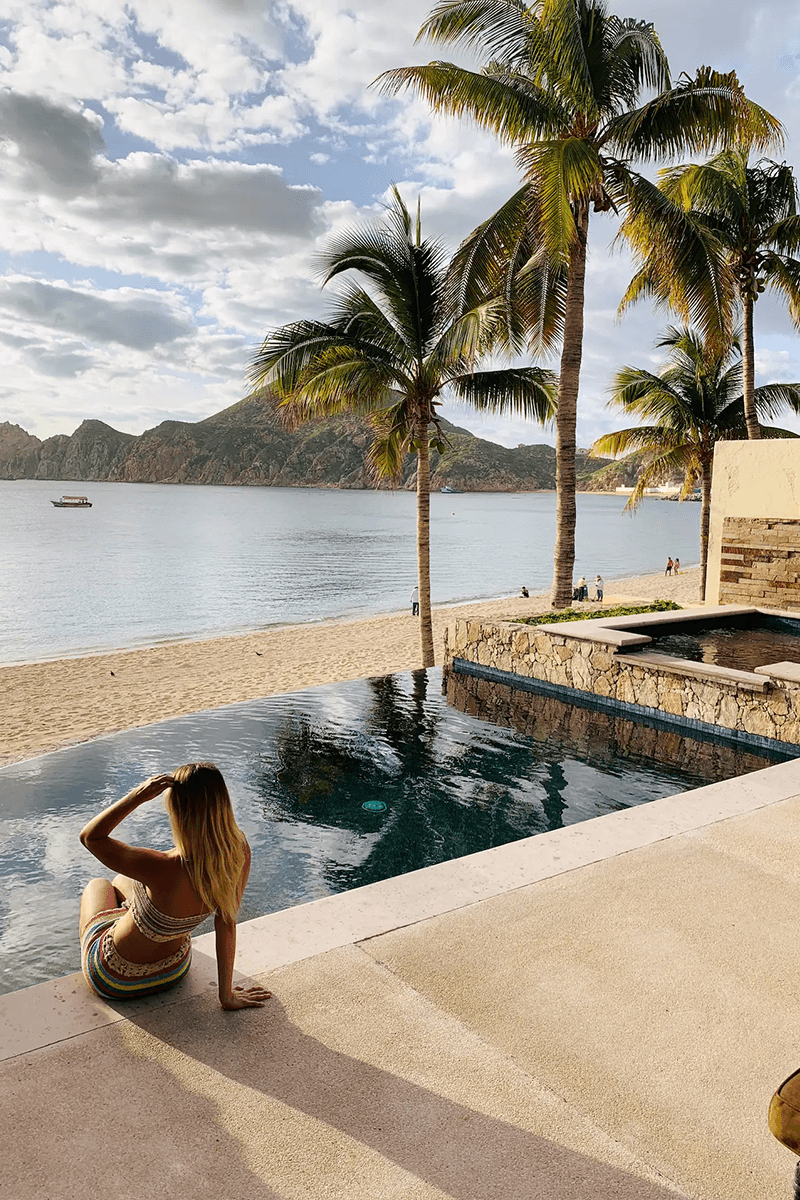
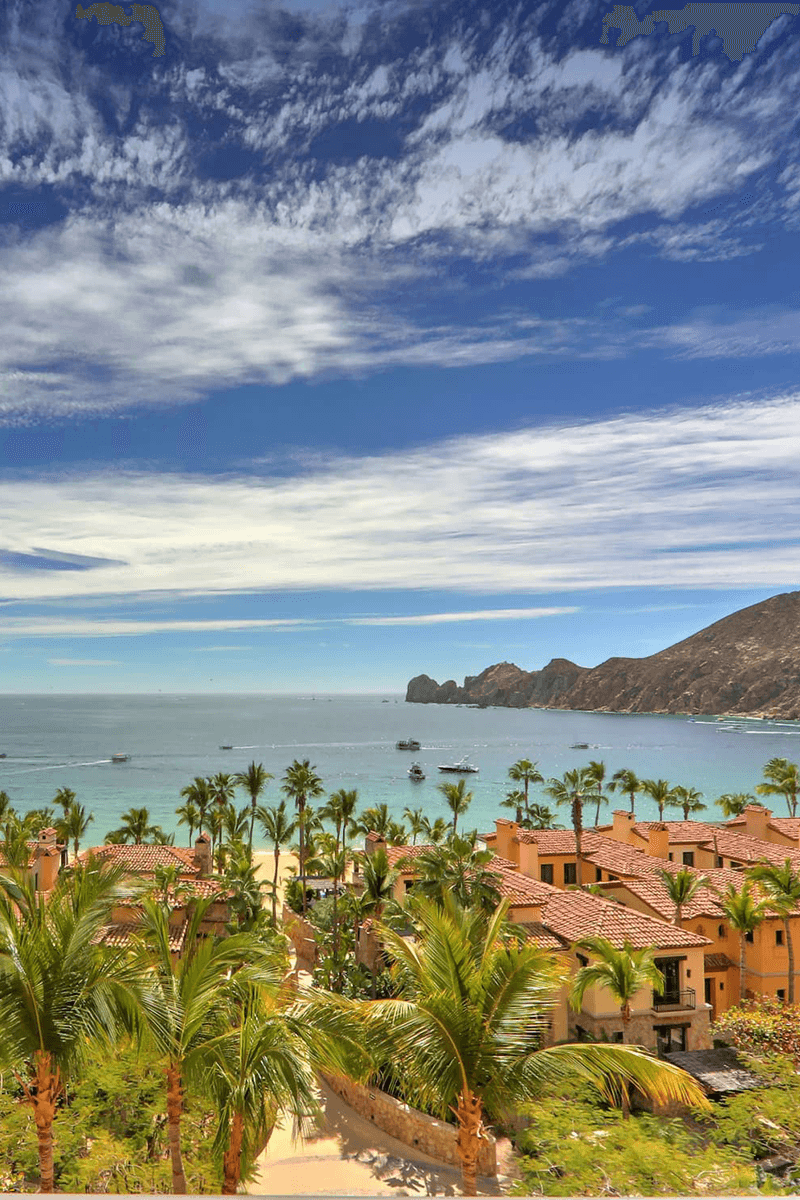
Staying in a gated resort with 24-hour staff, in a walkable area, removes most of the everyday risks: no long taxi rides at night, secure parking, and people to ask. Villa 1 is inside Hacienda Beach Club & Residences on Médano Beach, with a 24/7 concierge and a walk to the marina on lit streets. See the villa if you're still choosing where to stay.
Medical care and insurance
Los Cabos has private hospitals and clinics with English-speaking doctors in both Cabo San Lucas and San José del Cabo, and pharmacies on nearly every block. Private care is good but expensive, and hospitals may ask for payment or a guarantee upfront. Buy travel medical insurance that covers Mexico, including evacuation, and keep the policy number on your phone. In an emergency, dial 911, which works across Mexico.