The one rule: Sea of Cortez yes, Pacific no
Cabo San Lucas sits at the tip of the Baja peninsula, where the Pacific meets the Sea of Cortez. Beaches that face the Pacific take the full force of ocean swell, with steep drop-offs close to the waterline and powerful backwash. Beaches inside Cabo San Lucas Bay and along the tourist corridor toward San José del Cabo are sheltered by the peninsula and by rocky points, so the water is usually much calmer.
That is the rule of thumb, not a guarantee. Storms, big south swells in summer and wind can make even sheltered beaches rough, which is why the daily flag matters more than any list.
How to read the flags
Los Cabos beaches use the Mexican color flag system, posted by the municipal beach authority (ZOFEMAT) and by lifeguards. Check it every time you arrive, because conditions change from day to day.
- Green: normal conditions, swimming allowed.
- Yellow: caution; strong swimmers only, stay close to shore.
- Red: dangerous conditions; stay out of the water.
- Black: beach closed to swimming.
What Blue Flag and COFEPRIS results mean
Blue Flag is an international eco-label awarded each year to beaches that meet criteria on water quality, environmental management, safety and services, accessibility and environmental education. Los Cabos has more Blue Flag beaches than anywhere else in Mexico: the municipality counted 25 at the end of the 2024 to 2025 cycle and has been working to add more for 2026. Palmilla and Santa María have been singled out by the municipality for the top A+ rating.
The certified list includes El Chileno, Santa María, Palmilla, El Corsario, Acapulquito, La Gaviota and several sections of Médano, each managed by a neighboring resort. Blue Flag tells you that a beach has lifeguards or safety equipment, clean water and facilities. It does not mean the surf is calm on any given day.
Water quality is also tested separately by Mexico's federal health regulator, COFEPRIS, with the state health agency, under the Playas Limpias program ahead of each holiday season. In the sampling done June 15 to 29, 2026, Chileno, Palmilla, Costa Azul, El Médano, Santa María and Cabo del Sol were among the Los Cabos beaches tested, and all were rated fit for swimming, with enterococcus levels well below the risk limit.
Médano Beach
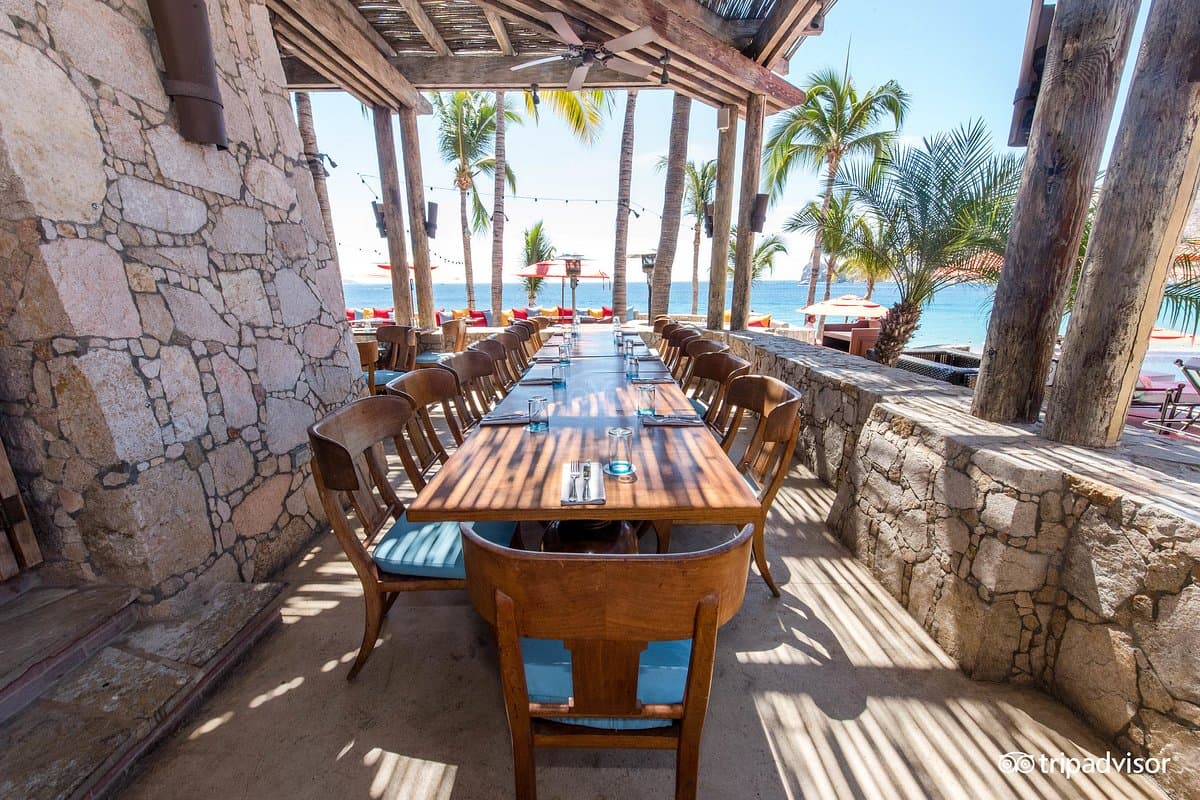
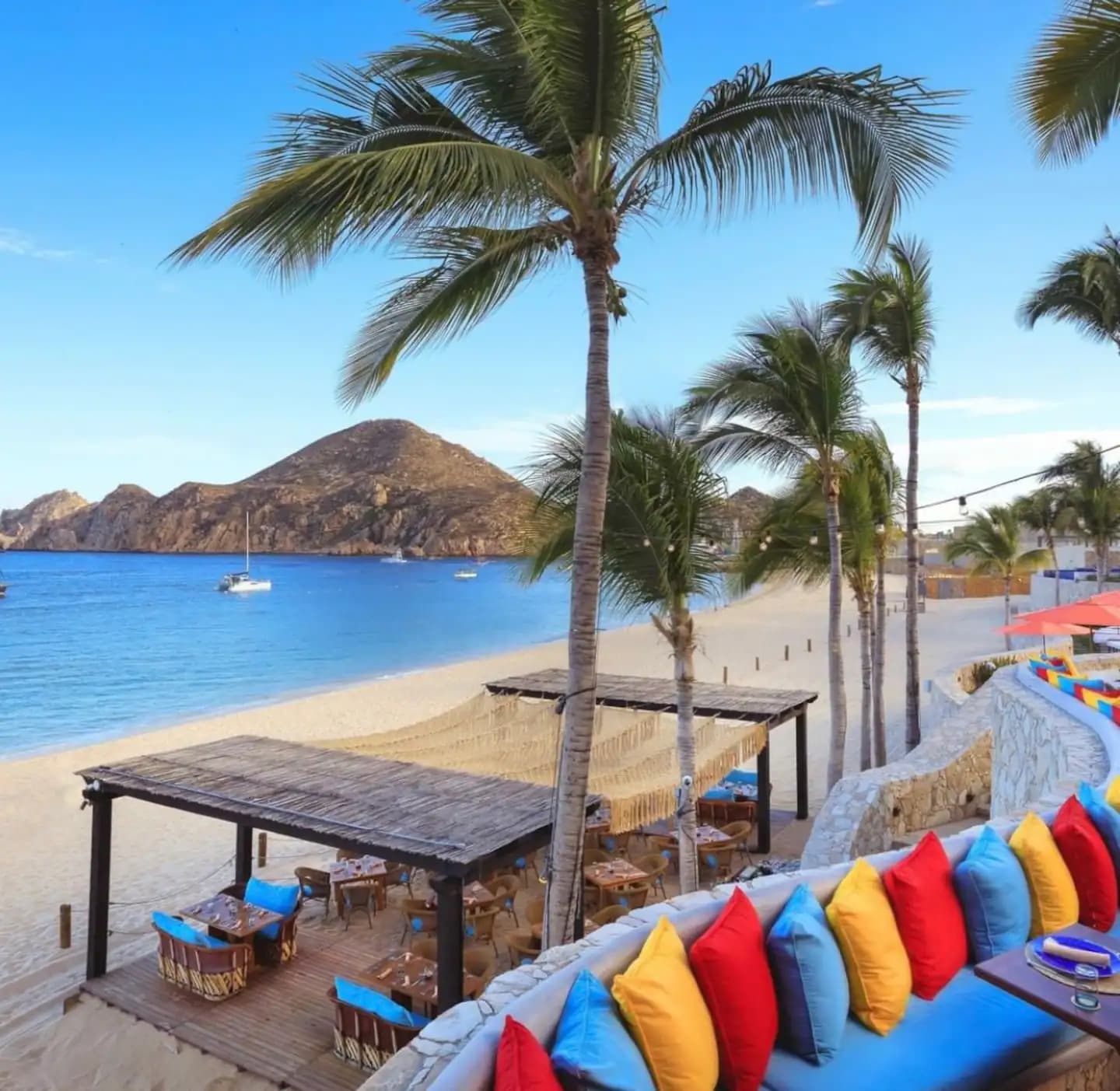
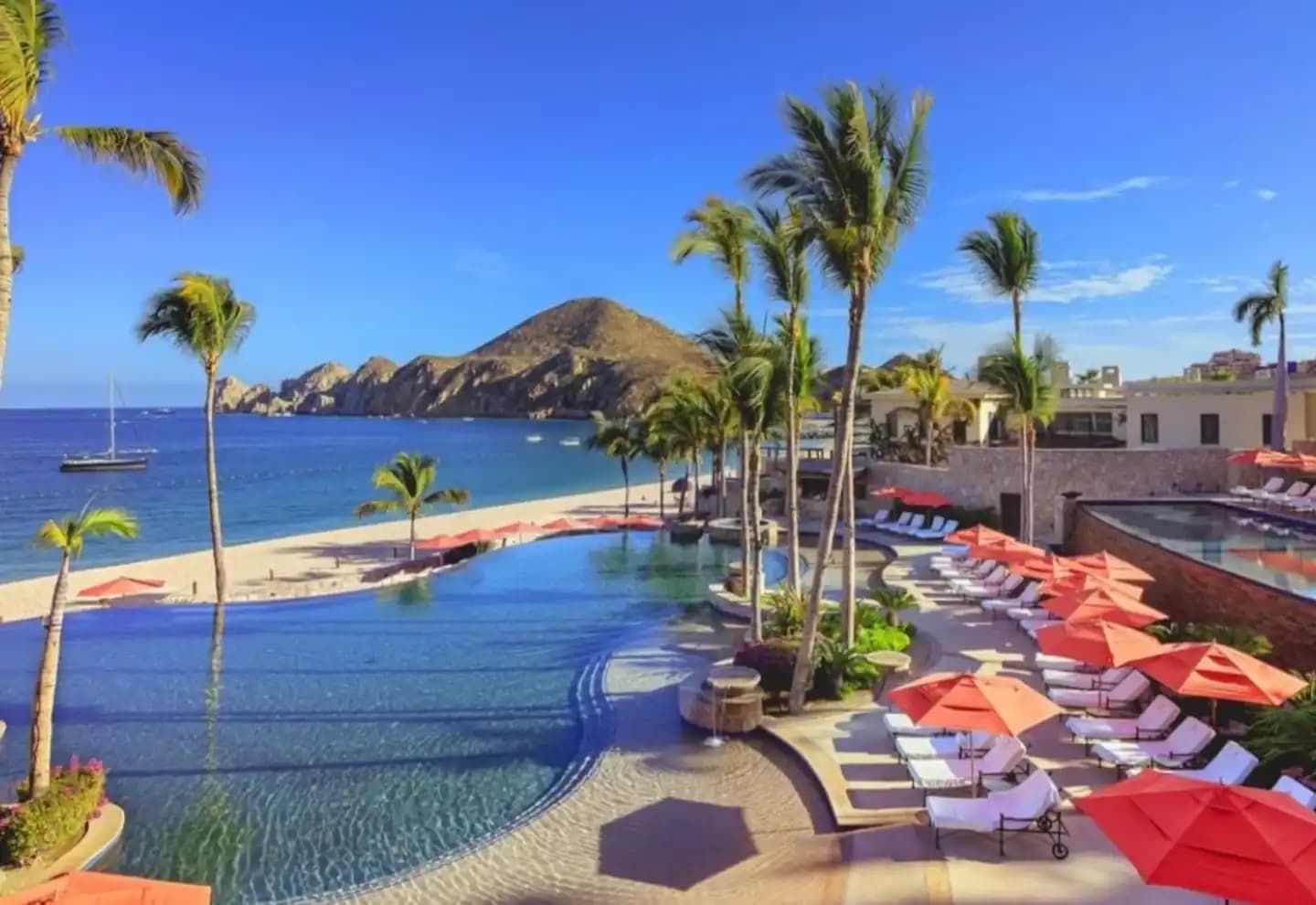
Médano is the long beach inside Cabo San Lucas Bay and the one most visitors swim at. It has a gentle sandy slope, roped swim zones to keep boats and jet skis out, lifeguard towers on several resort-managed sections, and all the facilities you could want. Villa 1 at Hacienda Beach Club opens directly onto it.
The main hazards here are traffic rather than surf: water taxis, jet skis and parasail boats all work off Médano. Swim inside the ropes and avoid the stretch in front of the busiest beach clubs if you have small children. Our Médano Beach guide covers the beach itself in detail.
Lover's Beach: bay side only
Lover's Beach sits on the Land's End sand spit and can only be reached by boat. Its bay-facing side, on the Sea of Cortez, can be swimmable on calm days, though there are no facilities, so bring water and shade. Walk a few minutes across the sand and you reach Divorce Beach on the Pacific side, where the surf and undertow have killed swimmers. Look, take photos, and do not go in.
Chileno and Santa María
These two coves on the tourist corridor, about 15 to 20 minutes' drive from Médano, are the best swimming and snorkeling beaches in Los Cabos. Both are Blue Flag certified. Chileno has a lifeguard stand, showers, restrooms and parking, plus an accessible boardwalk. Santa María is a horseshoe cove between two rocky headlands that block most of the swell, with shallow water full of reef fish.
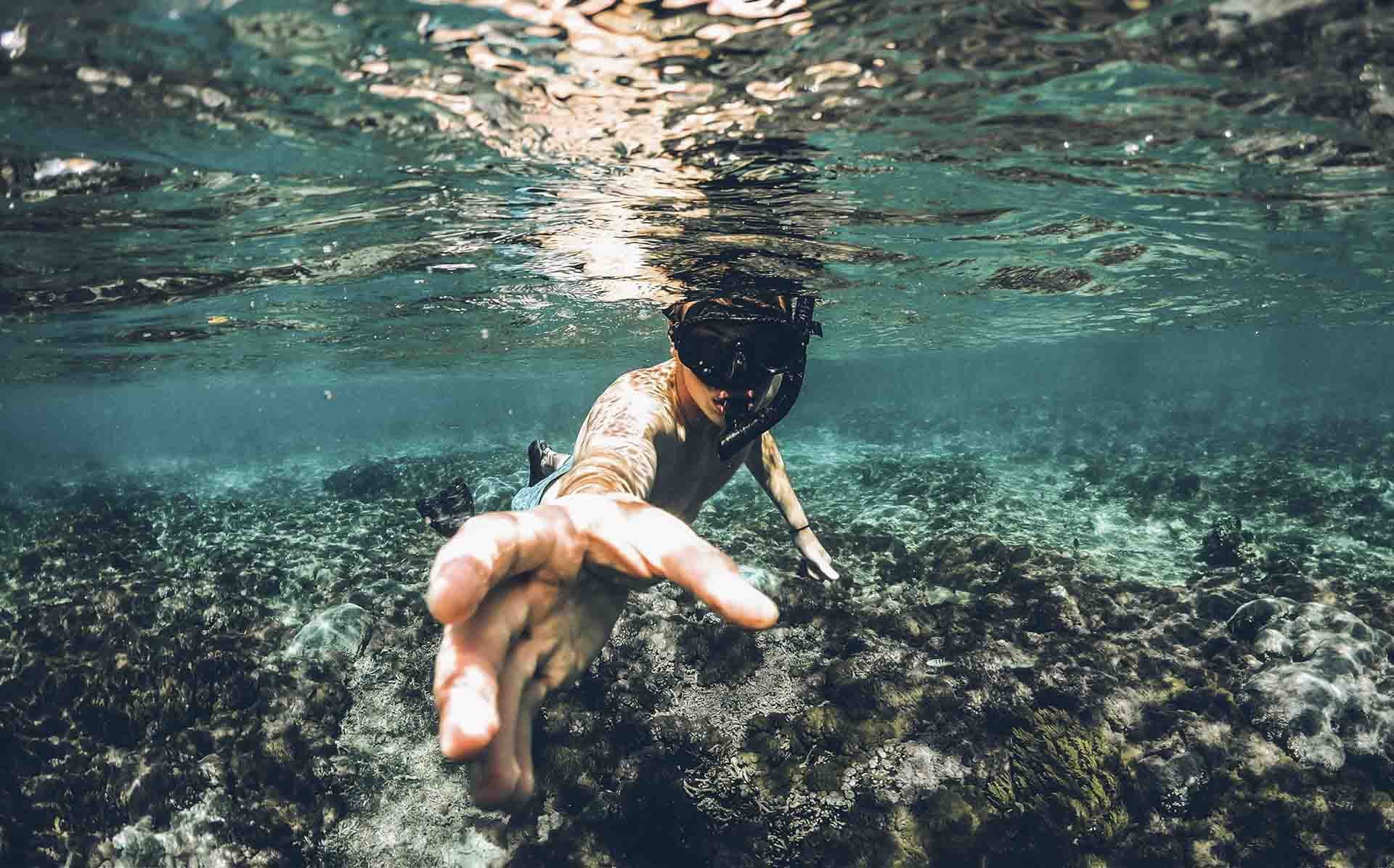
Both are calmest in the morning, and snorkelers get the best visibility before about 10:30 a.m. Motorized watercraft are kept out, which is part of why the water is so clear. See our Santa María and Chileno snorkeling page for how to go by car or boat.
Palmilla and the San José end
Palmilla, near San José del Cabo, is the gentlest of the lot, with a very gradual slope and calm, pool-like water on most days, which makes it a favorite with families of toddlers. Facilities are limited, so bring shade, water and snacks. Nearby El Corsario and Acapulquito are also Blue Flag certified, although Acapulquito sits beside Costa Azul, a well-known surf break, so check conditions before swimming there.
Pacific beaches to admire, not swim
On the Pacific side of Cabo San Lucas, the long beaches below Pedregal and the hotels at Playa Solmar are beautiful to walk but dangerous to swim, which is why resorts there build large pools. Farther up the Pacific coast, Cerritos near Todos Santos is a surf beach with better conditions for beginners; see our page on surfing at Cerritos, and go with a lesson rather than swimming on your own.
- Divorce Beach: never swim; strong undertow and shore break.
- Playa Solmar and Pedregal: walking beaches only.
- Costa Azul: a surf beach; not for casual swimmers.
- Any beach on a red or black flag day, whatever side it faces.
Staying safe in the water
Swim near a lifeguard where you can, never swim alone or after drinking, and keep children within arm's reach. If you are caught in a current, do not fight it; swim parallel to the shore until you are out of it, then come in. Wear water shoes around rocks, and use reef-safe sunscreen in the snorkeling coves. For more ideas with children, see our guide to Cabo with kids.
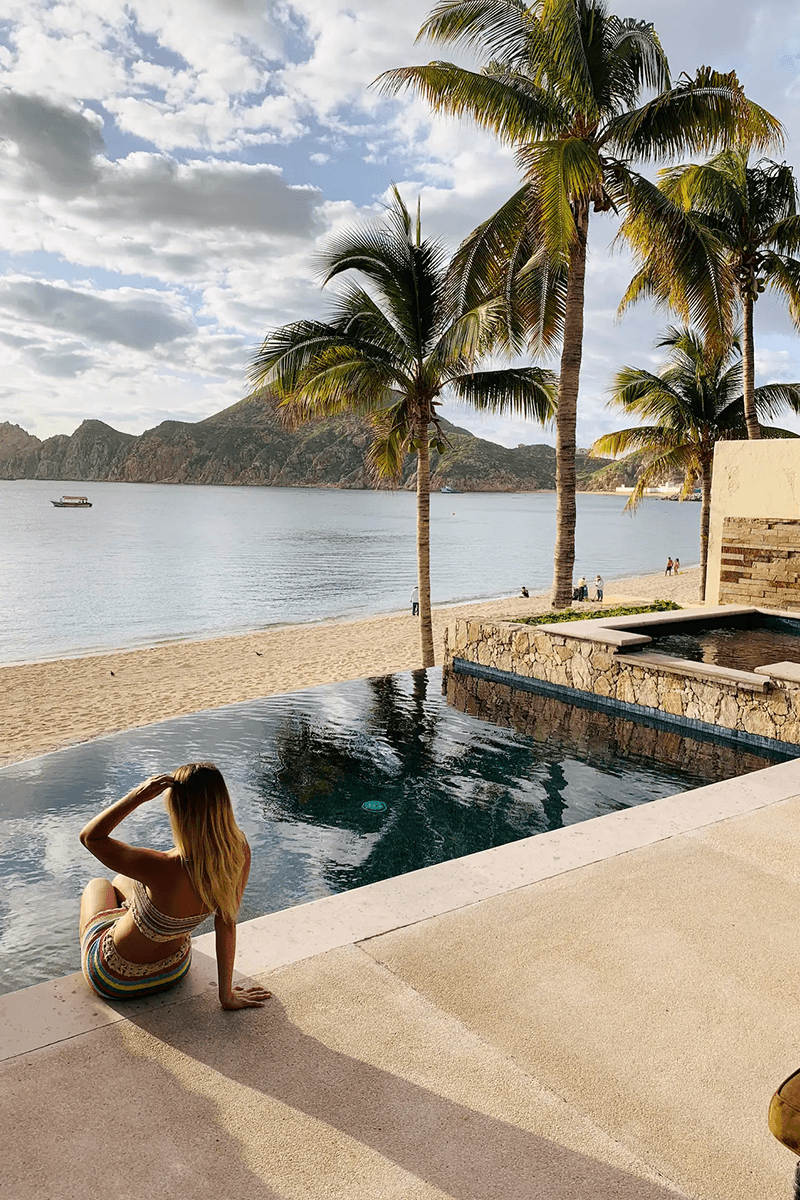
Staying on Médano puts the swimmable beach right outside. From Villa 1's private infinity pool to the bay is a couple of minutes on foot, and our booking page shows open dates.