The short answer
October is the best all-round month: striped, blue and black marlin, yellowfin tuna, dorado and wahoo can all be around at once, and the water is warm. It's also tournament month, so boats book early and prices firm up. For striped marlin with calmer crowds, January to April is good. For blue and black marlin and dorado, target July to October, accepting summer heat and hurricane season.
- Striped marlin: about January to July.
- Blue and black marlin: about July to October.
- Dorado (mahi-mahi): summer, best July and August.
- Yellowfin tuna: year round, with summer and fall peaks.
- Wahoo: strongest in late summer and fall.
January to March
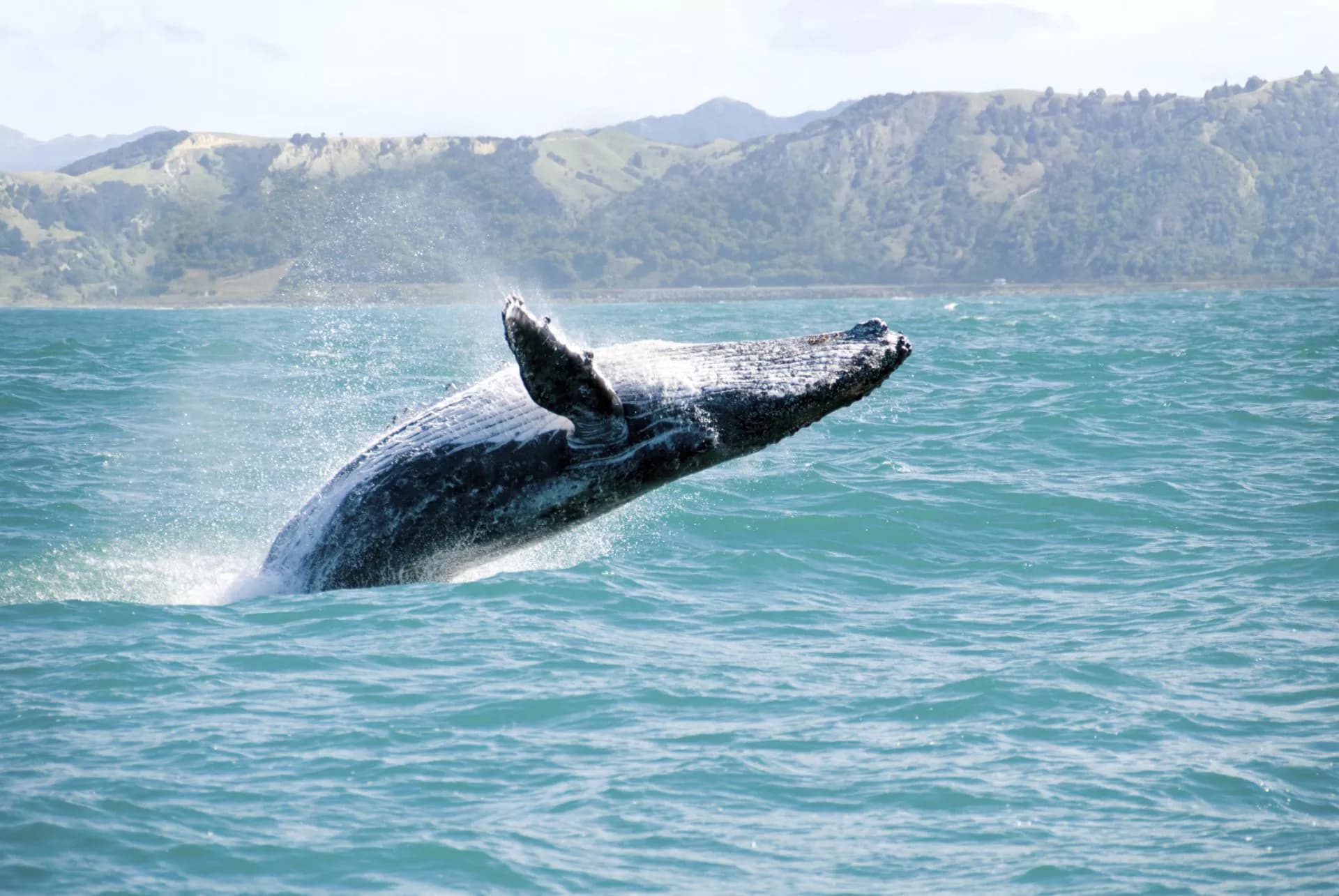
Winter water is cooler, and striped marlin are the main billfish, often found on the Pacific side. Tuna and some dorado show up, but less reliably than in summer. Winds can make afternoons choppy, so morning trips are more comfortable. The bonus: humpback whales are everywhere, and many fishing trips double as whale sightings. See whale season.
April to June
Water starts warming, striped marlin are still around, and yellowfin tuna and dorado become more common through June. Seas are often calm, the weather is dry, and there's no hurricane risk yet in April and early May. This is a strong, underrated window, and charters are easier to book than in October.
July to September
Warm water brings blue and black marlin, and dorado peak in July and August. Tuna are strong. The trade-offs: it's hot and humid, and this is hurricane season, with the highest risk from late August into October. Boats are cancelled when the port captain closes the port, so keep a spare day and buy travel insurance. Our hurricane season guide explains the risk month by month.
October: tournament month
October combines the widest mix of species with the big money events. Bisbee's Los Cabos Offshore and Bisbee's Black & Blue bring the fleet and crowds to the marina, and watching the weigh-ins is a spectacle even if you don't fish. Book charters months ahead if you want October dates, and expect higher prices around tournament weeks.
November and December
Water is still warm in November, and striped marlin numbers usually climb again as the month goes on. Tuna and dorado can stay into early winter. December is pleasant and dry, whales start arriving mid-month, and the holiday weeks make charters busier.
Licenses, limits and catch and release
Mexico requires a CONAPESCA sportfishing license for everyone on a fishing boat, whether or not they fish. Most Cabo charters arrange it; confirm when you book. Per angler per day: one billfish, up to two dorado or roosterfish, and a general limit of ten fish with no more than five of one species. Releasing marlin is standard practice, and crews keep tuna, dorado or wahoo for the table.
Many marina restaurants will cook your cleaned catch if you ask ahead. If you're staying in a villa, a private chef can grill it that night; see private chefs in Cabo.
Half day or full day?
Half days (about four to five hours) work for dorado, tuna near shore and first-timers. Full days (eight hours or more) give the crew time to run to offshore banks for marlin and big tuna. Leave early; boats typically go out around dawn and you'll want to be back before the afternoon wind. From Médano Beach, the marina docks are a short walk, which makes a 6 a.m. start painless. Villa 1 is at the marina end of the beach; see our Médano Beach villa page.
Choosing a charter
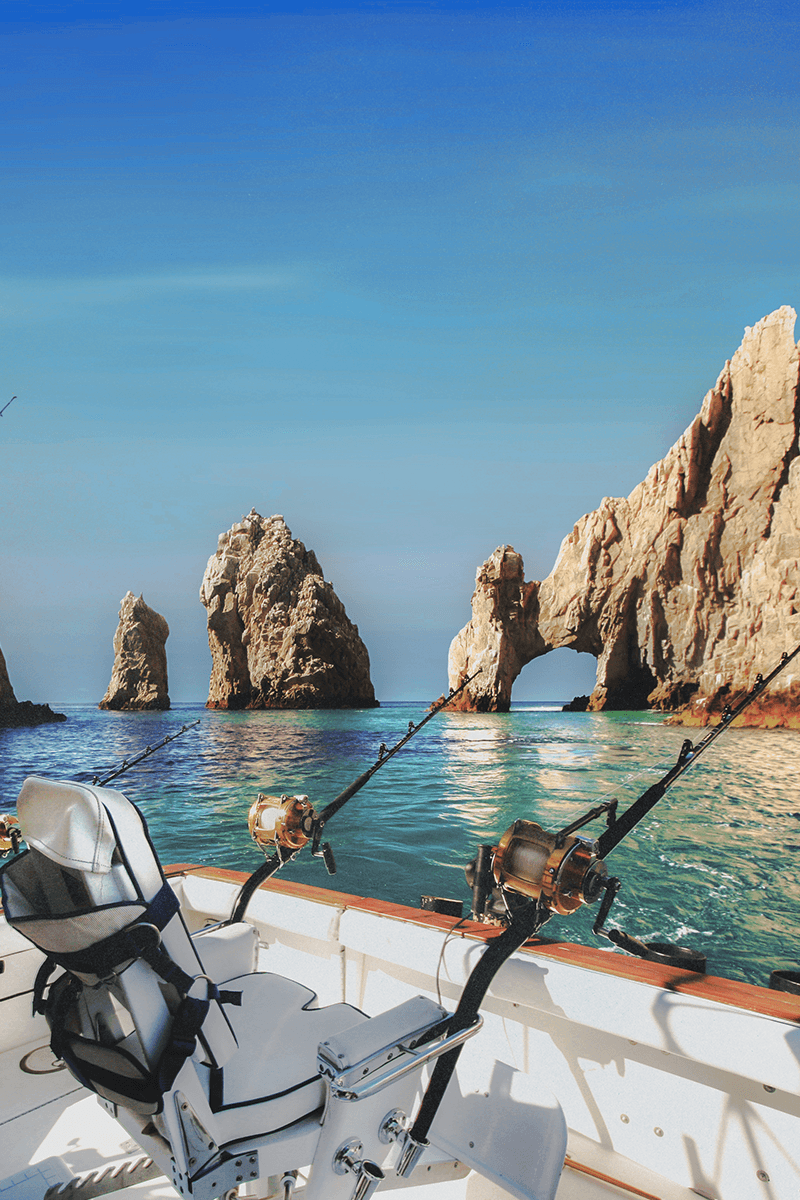
Boats range from small pangas, fine for inshore fishing and small groups, to large cruisers with air-conditioned cabins for offshore marlin trips. For families or first-timers, a smaller boat for half a day is plenty. For serious anglers, pick a crew with a good offshore record and ask what they've been catching that week.
Before you pay, confirm what's included: licenses, bait, tackle, drinks, lunch, fish cleaning and the dock fee. Ask whether the price is per boat or per person, and what happens if the port closes for weather. Tip the crew in cash at the end, more if they worked hard for your fish; see tipping in Cabo.
Seasickness and sea conditions
The Pacific side, where many marlin trips go, can be lumpy even on sunny days, especially in winter and spring when northwest winds blow. Take seasickness medication the night before and again in the morning, eat a light breakfast, and stay in the fresh air at the back of the boat. Mornings are almost always calmer than afternoons, which is one reason boats leave at dawn.
Fishing from shore and light tackle
You don't need a boat to fish in Cabo. Casting from beaches on the Pacific side and around the rocks can produce roosterfish, jacks and sierra, especially early in the morning; no license is needed to fish from shore. Take care on Pacific beaches, where waves can knock you over on the rocks. Light-tackle panga trips close to shore are also a good, cheaper option for families and kids, with plenty of action from smaller fish.